
Click any image below to view the video.
Latest video published 9/3/2019
- Reconciling AI Value Estimates with Real-World Expertise

Artificial Intelligence Training: Harnessing AI While Managing Risk™This final installment dramatizes the critical boundary where predictive valuation tech meets real-world expertise, proving that human intuition remains the ultimate counterbalance to AI’s analytical advantages.
- Picture Perfect: AI Advertising Made Compliant
Artificial Intelligence Training: Harnessing AI While Managing Risk™This fourth installment highlights the critical need to maintain strict compliance with advertising laws when using AI-generated content, and the proper handling of digitally manipulated property photos.
- From Human to Hardware: Maintaining the Standard of Oversight
Artificial Intelligence Training: Harnessing AI While Managing Risk™This third installment dramatizes a critical DRE parallel: an AI chatbot functions exactly like an unlicensed human assistant — meaning its output requires absolute broker oversight to avoid unlawful practice.
- Fact-Checking Your Ghostwriter
Artificial Intelligence Training: Harnessing AI While Managing Risk™This second installment illustrates the need to carefully verify all AI-output, and depicts how fine-tuning your AI query with specific details about property’s features improves results.
- The Ghost in the Machine: Of Flesh and Silicon
Artificial Intelligence Training: Harnessing AI While Managing Risk™Our opening installment explores how licensees deploy AI in their daily practice today, alongside critical Department of Real Estate (DRE) guidance for staying compliant.
- Recoverable Transactional and Operating Expenses
This episode covers the calculation of the seller’s recoverable losses.
- Value Fluctuations During an Evolving Buyer’s Market
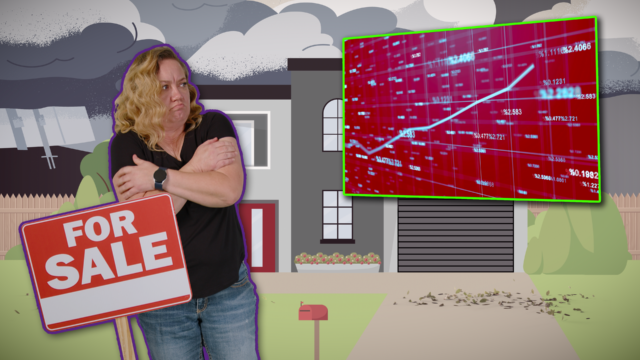
This episode covers the price-to-value difference and the buyer’s interference with the seller’s resale efforts.
- Price-to-Value Losses in a Declining Market
This episode covers the seller’s recovery of the price-to-value loss through to the date of the buyer’s breach, whether the seller retains the property, remarkets it or resells it.
- The Seller’s Recovery of a Monetary Loss
Learn how a buyer’s breach of a purchase agreement and escrow instructions establishes the seller's legal right to recover actual money losses.
- Nonperformance Excused by Tardy Delivery
Watch how the seller’s failure to timely deliver documents excuses the buyer’s concurrent obligation to fund escrow.










Resources


Education


Get to know us

Products & Services
