Brokers who watch the jobs numbers along with the LFP rate will find the trends useful for forecasting their future brokerage conditions

Real estate runs with the labor force participation rate
read more

Learn the 25 economic factors that drive California’s real estate market.
Stay current on the latest news, videos, forms, and updates for Real Estate Economics.

06/25: The 2025 rules for buyer representation and fee-splitting avoidance are currently being edited into this e-book.
Brokers who watch the jobs numbers along with the LFP rate will find the trends useful for forecasting their future brokerage conditions

Vacancy rates are on a year-over-year upward incline, while net absorption returns were positive this quarter. New projects were opened to the market but are not yet occupied. A few major tenants are boosting occupancy of distribution space, while smaller businesses are slowly shutting down.

The average ARM rate remains below the FRM rate, enticing potential homebuyers unaware of its history.
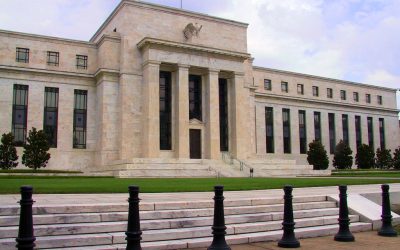
Learn how the Fed is using their benchmark rate as a monetary policy tool

Residential vacancy rates – along with jobs and residential construction – held steady.

State departments may now approve housing plans, and all agencies now have tighter review timelines, or a building permit application is deemed complete.

Homebuyers reliant on mortgage financing were limited to borrowing 5% less than a year earlier in Q3 2026.

View California sales agent trends from 2002-present, and examine the effect of home sales volume on licensing.

Alternative methods to a foreclosure sale on mortgaged property include a short sale and a deed-in-lieu of foreclosure. RPI Form 150-5 allows a buyer to purchase a property when the mortgage holder agrees to take a reduced payoff to satisfy the debt and clear title. RPI Form 406 allows an owner to deed their property directly to their mortgage holder.