
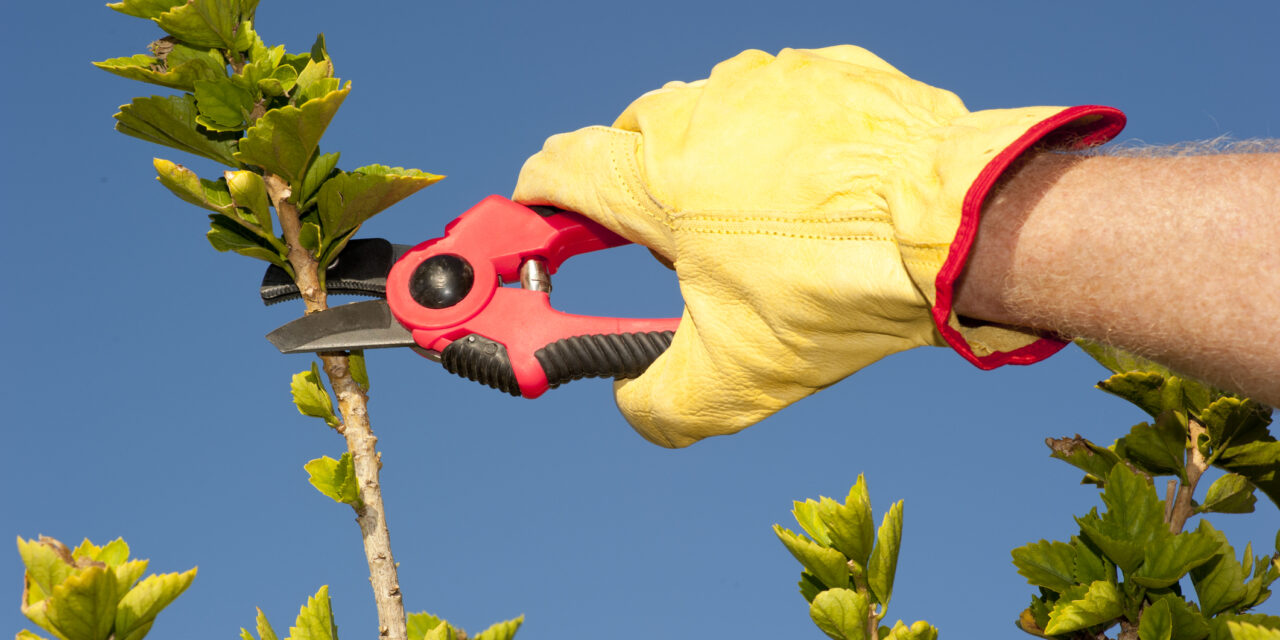
Why this article is important: As wildfire impacts grow each year, California’s building and zoning regulations need to evolve for public safety. New defensible space rules aim to protect suburban and rural homes from high wildfire risk.
Defensible space saves improved property
New defensible space rules for the area immediately surrounding structures located in a very high fire hazard severity zone or in a state responsibility area have been released by California’s Board of Forestry and Fire Protection.
Approximately 10% of homes in California fall under the new Zone 0 regulations which provide fire protection guidance for all owners to follow to maintain defensible space around their home. Owners and agents can look up whether a property is located in a very high fire hazard severity zone or state responsibility area at CalFire’s website.
Defensible space is the buffer an owner of property located in these fire zones must establish on their property to separate any occupied structure from the plants, brush, and trees, or other combustible materials surrounding the structure. [Calif. Code of Regulations §1298.02(b)]
This defensible space as a buffer zone helps prevent the transmission of embers that may travel to the structure from materials that can catch fire, like plant material and vegetation.
Properties located in very high fire hazard severity zones require at least 100 feet of defensible space surrounding the home or structure. [Calif. Government Code §51182(a)(1)]
The new defensible space rules specify an ember-resistant zone is required within each property’s Zone 0 space, the area within five feet of the most exterior part of a structure which includes its:
- exterior walls
- roof;
- attached deck;
- exterior stairs; and
- pergola. [CCR §1298.04(a)]
Of note, local governments may require their own set of defensible space rules when they provide substantially the same or greater level of protection as the statewide rules outlined here. [CCR §1298.03; Public Resources Code §4117]
Related article:
Restrictive central city zoning fuels construction for wildfires
Vegetation and landscaping
Within each structure’s Zone 0 — including on the roofs or in the gutters — combustible materials are prohibited. This includes materials that can easily catch fire, such as:
- dead leaves;
- wood chips;
- firewood; and
- dead vegetation.
Further, a vegetation-free buffer is required within:
- one foot of structures but not less than out to the edge of the eave, or “drip line”;
- two feet of windows, doors, and vents; and
- five feet of attached decks or similar attached structures.
Vegetation may exist within Zone 0 when it is a well-maintained, herbaceous plant (meaning it is soft and green) and does not fall within the vegetation-free buffer zone. Further, it must be a:
- small, non-woody plant, such as bulbs, poppies, petunias, and succulents;
- low ground cover, such as moss, beach strawberries, and creeping thyme;
- well-maintained grass; or
- potted plant in easily movable, non-combustible containers.
Well-maintained trees are permitted within Zone 0, when:
- branches are trimmed to at least ten feet from chimneys and no less than five feet above roofs;
- branches do not extend under eaves;
- lower branches and any dead wood are removed from the bottom six feet or bottom third of the tree, whichever is shorter.
Fences, Gates, and Structures in Zone 0
Fences are commonly made with combustible materials, often wood. When an existing fence attaches to a structure, the five-foot section which attaches to the structure must be replaced with non-combustible material before August 19, 2029.
Further, no new combustible fences or gates may be built within Zone 0. However, repairs may be made to existing fences, subject to replacement within the noncombustible materials deadline.
Any shed or outbuilding positioned within Zone 0 must have non-combustible exterior walls and roof.
Related article:
Zone 0 implementation
The zone 0 rules are already in effect for new construction. [Gov C §51182(d)
For existing structures, owners are required to remove all combustible items within five feet of the structure prior to August 19, 2029, including:
- removing firewood;
- removing dead or dying plants;
- removing dead leaves and branches;
- cleaning gutters;
- trimming trees to meet the regulations;
- removing mulch and wood chips; and
- removing wooded plants within Zone 0.
Prior to August 19, 2031, local jurisdictions must set a timeline for more involved projects, such as:
- creating under-eave safety zones;
- replacing gates made of combustible materials; and
- replacing or making adjustments to sheds and fencing.
Fire hardening the home
Sellers always disclose to prospective buyers whether a home is located in a fire hazard zone in the mandated Natural Hazard Disclosure (NHD) by its delivery to a buyer prior to the owner accepting a purchase offer. [See RPI Form 314]
Further, a seller agent marketing a one-to-four unit residential property located in a high or very high fire hazard severity zone and constructed before January 1, 2010 — or subject to local defensible space ordinances — also prepares and hands to prospective buyers a Fire Hardening and Defensible Space Disclosure Statement. [See RPI Form 314-1]
Buyers and existing homeowners who need help paying for fire safety improvements may find assistance under the 2019 Wildfire Safety Finance Act. It provides for public financing to install permanent wildfire safety improvements through 2029.
Related article:
Wildfire protection is a statewide legislative concern for housing









My grandfather’s property experienced intense heat last summer, which shows that these new guidelines might not apply in every location. Some areas require different approaches for protection.