Amended Calif. Civil Code 1941.1
Effective date: January 1, 2026
Bill text: AB 628
Why this matters: Landlords offering residential units available for rent or lease are obligated to provide safe, habitable conditions. New legislation adds to the habitability mandates for residential rental property by requiring a usable stove and refrigerator.
New rules for kitchen appliances
Gone are the days of the leaky ice box, and landlords are happy the risks from hotplates are long in the past. Today, standards for residential rental units include a guarantee of adequate heating, hot water systems, smoke alarms and more.
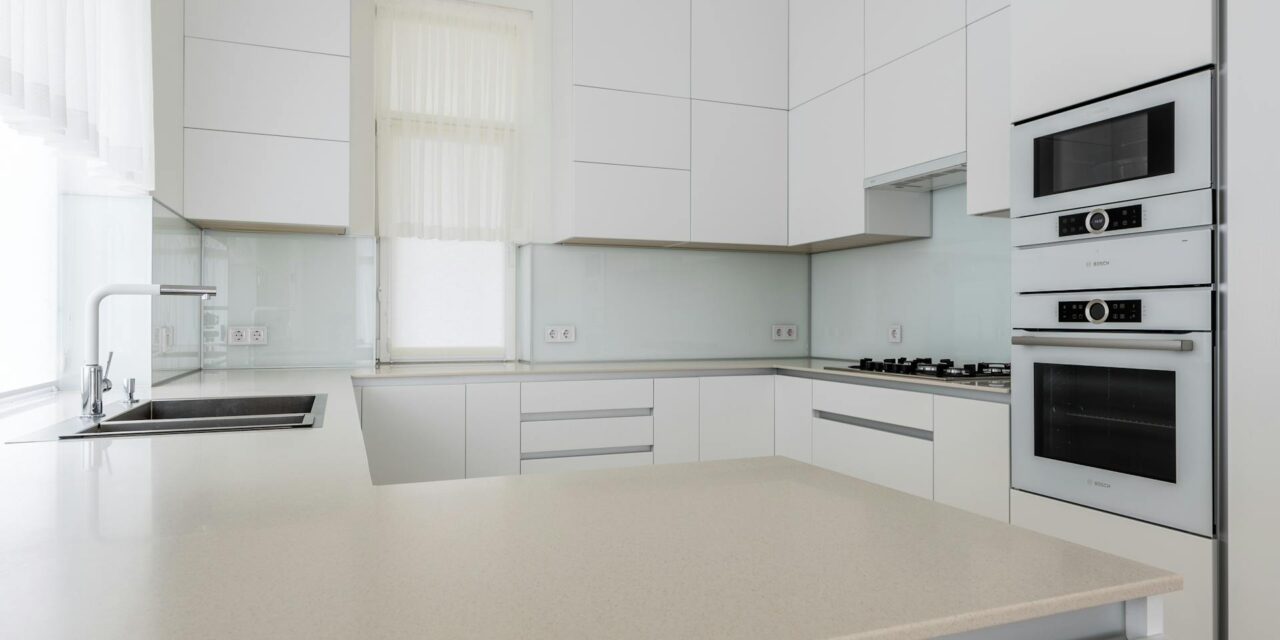
The new law for a habitable residential rental unit now requires a working stove and refrigerator. [CC §§1941.1(a)(10); 1941.1(a)(11)]
Stories from the past have tenants pleading with unreachable landlords and property managers to fix broken appliances or complete promised repairs. Assembly Bill 628 lays out clear standards landlords must achieve.
Stoves and refrigerators need to exist in any residential unit rented or leased, and when an existing lease agreement is renewed or extended on or after January 1, 2026. Further, these appliances must be maintained by the landlord in working order in the same manner plumbing is kept in good condition. [CC §1941.1(a)(10)]
When a stove or refrigerator is subject to a recall, the landlord is required to follow through on the recommended repair or replacement within 30-days. [CC §1941.1(c)(1)]
Related article:
Residential property remediation requirements after a disaster
And what if?
As an alternative for tenants, a tenant has the option to install their own refrigerator by agreement when entering into a rental or lease agreement. The tenant may assume the landlord’s responsibility to provide a refrigerator when provisions in the rental or lease agreement include the following information:
- “Under state law, the landlord is required to provide a refrigerator in good working order in your unit. By checking this box, you acknowledge that you have asked to bring your own refrigerator and that you are responsible for keeping that refrigerator in working order;”
- the tenant may provide written notice and remove their refrigerator, requiring the landlord provide one within 30 days; and
- the tenant is not required to provide the refrigerator as a condition for renting or leasing the unit. [CC §1941.1(a)(11)(B)]
When the tenant provides their own refrigerator, the landlord is not responsible for the maintenance of the tenant’s refrigerator. [CC §1941.1(a)(11)(B)(iv)]
No similar option exists for the mandate to provide a stove. An up-to-date rental or lease agreement informs the tenant of the landlord’s responsibility for both appliances upfront. [See RPI Form 550 and 551]
Exceptions to the landlord providing a working stove and refrigerator for a unit exist for:
- permanent supportive housing;
- single-room occupancy;
- residential hotel; or
- housing facility with a communal kitchen such as an assisted living facility. [CC §1941.1(b)]
Unless an exception exists, a tenant after giving written or oral notice of a defect to the landlord or their agent may exercise their remedies after a reasonable time has passed without the landlord taking curative action. [CC §§1941.1(c)(2); 1942(b)]
When the costs to repair do not exceed the amount of one month’s rent, the tenant may either repair the defect and deduct the cost from their rental payment or vacate the unit. [CC §1942(a)]
Related article:
Letter to the editor: Who performs the maintenance and repairs: the tenant, or the landlord?