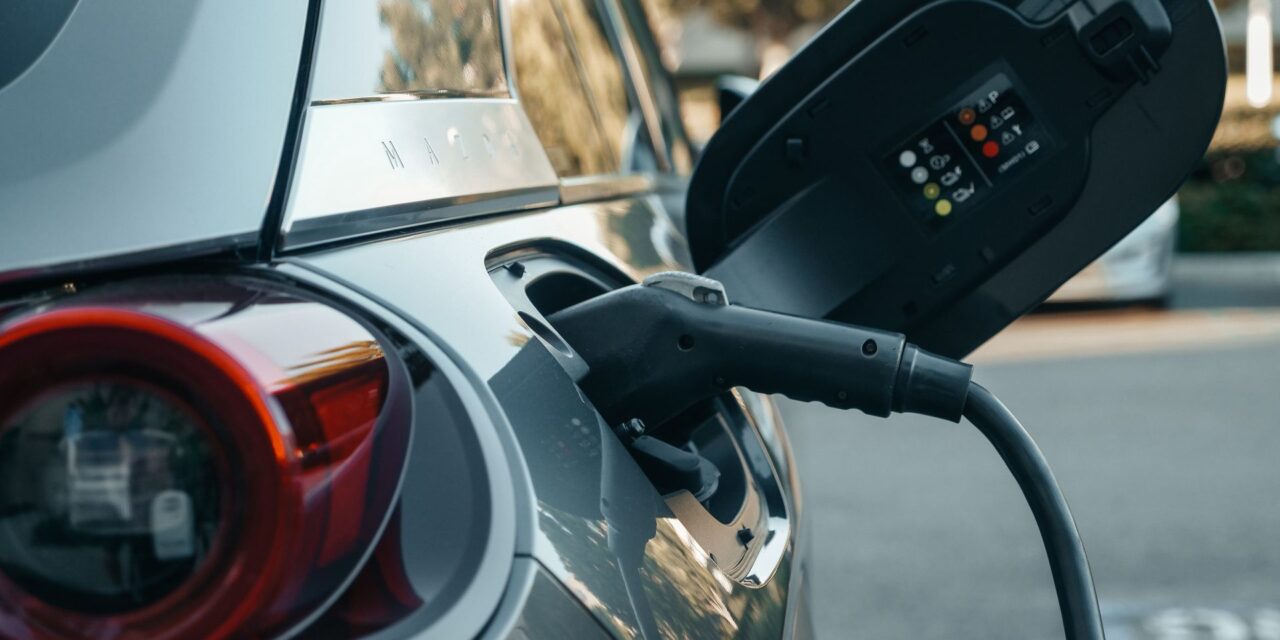
Why this matters: Rising interest in electric vehicles affects the desirability and value of housing able to provide environmentally friendly infrastructure. Recent legislation protects an owner’s access to an electric vehicle charging station or designated parking spot, now without requiring homeowners to go out of their way for their HOA.
A stronger connection
Electric vehicles offer a reprieve from rising gas prices taking over headlines, but they aren’t without their additional costs. Access to a charging station at home is crucial to making the switch feasible. While previous legislation protected access, Senate Bill (SB) 770 erases one headache for homeowners.
Stemming from California’s commitment to reduce emissions 40% by 2030, homeowners living in common interest developments (CID) are protected from covenants, conditions & restrictions (CC&Rs) that unreasonably restrict charging stations within an owner’s unit or parking spot. [CC §4745(a)]
But additional approval is needed for stations placed in common areas, requiring an owner:
- meet architectural standards;
- hire a licensed contractor for the installation;
- pay the costs for installation and electricity usage; and
- provide proof of insurance within 14 days. [CC §4745(f)(1)]
Additionally, the legislation used to require that all owners paying for their mandatory liability insurance include the homeowners’ association (HOA) as an additional insured on the policy. [CC §4745(f)(1)(C)]
This meant an HOA benefited from the extended coverage but were not able to make any changes.
SB 770 removes the HOA’s addition in the mandatory insurance, bringing down costs and paperwork for homeowners. This change refocuses on increasing owners’ access to an important utility, not protecting an HOA on the owner’s insurance plan (and dime). [CC §4745(f)(1)(C)]
Related article:
Mobilehome owners install solar energy systems without park owner interference