Why watch: In this new video series, you will learn to distinguish when a buyer’s breach of a purchase agreement and escrow instructions entitles the seller to recover monetary losses.
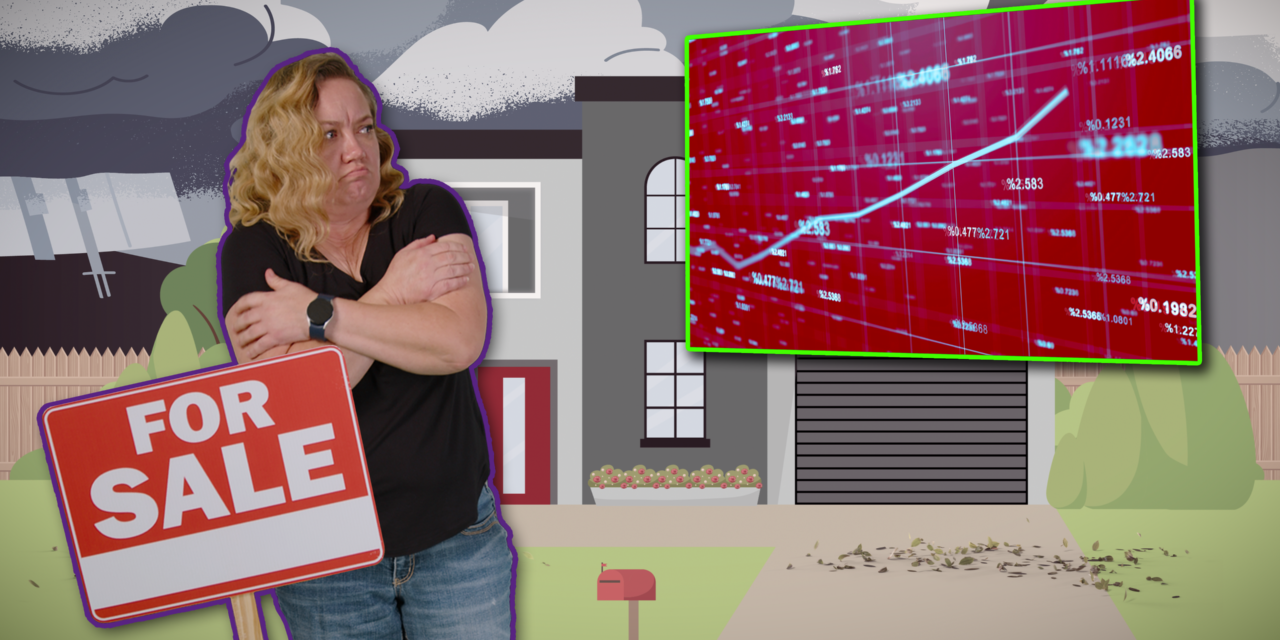
This episode covers buyer remorse (and seller remedies) when a regional economic downturn triggers a sharp drop in California property values below the price the buyer recently agreed to pay.
The “fall-out syndrome” of a lost sale
During periods of reduced regional economic activity, the boom-bust cyclical nature of real estate sales typically causes California property values to drop dramatically.
Often, the price the buyer agreed to pay just a few weeks before the bust now appears to the buyer as excessive. Thus, the cancellation of the transaction, when no conditions remain to be eliminated, becomes a breach.
Further, there are intangible impacts on a property’s market value following the failure of a transaction to close due to a breach in a declining seller’s market. On a breach, the property placed back on the market as available for sale takes on a shop-worn status and the fall-out syndrome of a lost sale.
The property takes on an aura in the local real estate market which negatively affects some buyers and their brokers. This aura is often reflected in a further dampening of the property’s value on the date of breach. [Bouchard v. Orange (1960) 177 CA2d 521]
However, the breaching buyer’s liability is limited to the seller’s loss on a resale. The loss is calculated as the difference between the price set in the purchase agreement with the breaching buyer and the value of the property on the date of the buyer’s breach, not the date of resale. Any further decline in value after the date of breach, to the date of resale (or trial, when the property is not yet resold), is recoverable only when the buyer interferes with the seller’s diligent resale efforts. Here, the message to buyers who breach is this: when you are going to breach, breach as soon as possible.
When property is resold for the same or greater price a breaching buyer agreed to pay, and the net proceeds or cash equivalent from the resale are the same or more, the price-to-value difference on the date of breach is no longer recoverable. The seller receiving equal or greater net proceeds on a resale incurs no money losses. No lost value exists to recover.
To set the dollar amount of the price-to-value difference on the date of breach, any “noncash” items for payment of the breached purchase price and “noncash” items for payment of the resale price are adjusted to their cash equivalency.
For example, the terms for payment of a sale price include a seller carryback note with an interest rate below the applicable federal rate (AFR). Here, the principal amount of the carryback note is adjusted downward to reflect any discount required to convert the carryback paper to its cash equivalent, that is, its present worth in money.
Editor’s note — Stay tuned for the next episode covering the seller’s recoverable transactional and operating expenses.