Learn common safety standard conditions and violations found on residential properties and how to provide terms to remedy safety issues in a real estate transaction.

Safety standards for improvements
read more

Back up your sales acumen by diving into the legal aspects of California real estate.
Stay current on the latest news, videos, forms, and updates for Legal Aspects of Real Estate.

06/25: The 2025 rules for buyer representation and fee-splitting avoidance are currently being edited into this e-book.
Learn common safety standard conditions and violations found on residential properties and how to provide terms to remedy safety issues in a real estate transaction.
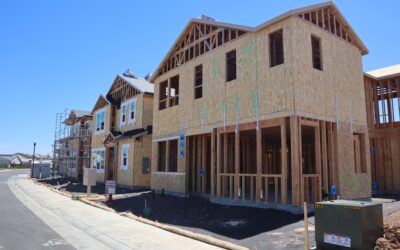
When a development project increases the capacity of an existing water or sewer connection, a local agency may charge only for the additional capacity — not as though it were an entirely new connection.

The California Department of Real Estate (DRE) in their Spring 2026 Real Estate Bulletin reminds licensees of fiduciary duties, advance fee requirements and how to become a real estate broker.

Learn the difference between opinions, assurances and guarantees as well as estimates, projections and forecasts.

How much — or how little — the new housing laws affect housing in California’s communities is up to local gatekeepers, including real estate brokers and mortgage lenders.

An agent or escrow officer uses RPI Form 401 when preparing instructions to open a purchase escrow with an escrow officer, and RPI Form 415 when escrow requests mortgage information from a mortgage holder regarding their lien on a property to confirm the terms of the debt or obtain a payoff demand.

Federal guidance now encourages MLOs to discriminate based on immigration status. How does that impact MLO practice in California?

SB 770 removes an HOA from a homeowner’s mandatory insurance when they install an electric vehicle charger in a common area.

Learn the difference between a broker’s specific agency duty owed only to their client and the limited general duty they owe to others in a transaction and how to observe and disclose conditions adversely affecting value and qualify statements when they are opinions, not facts.