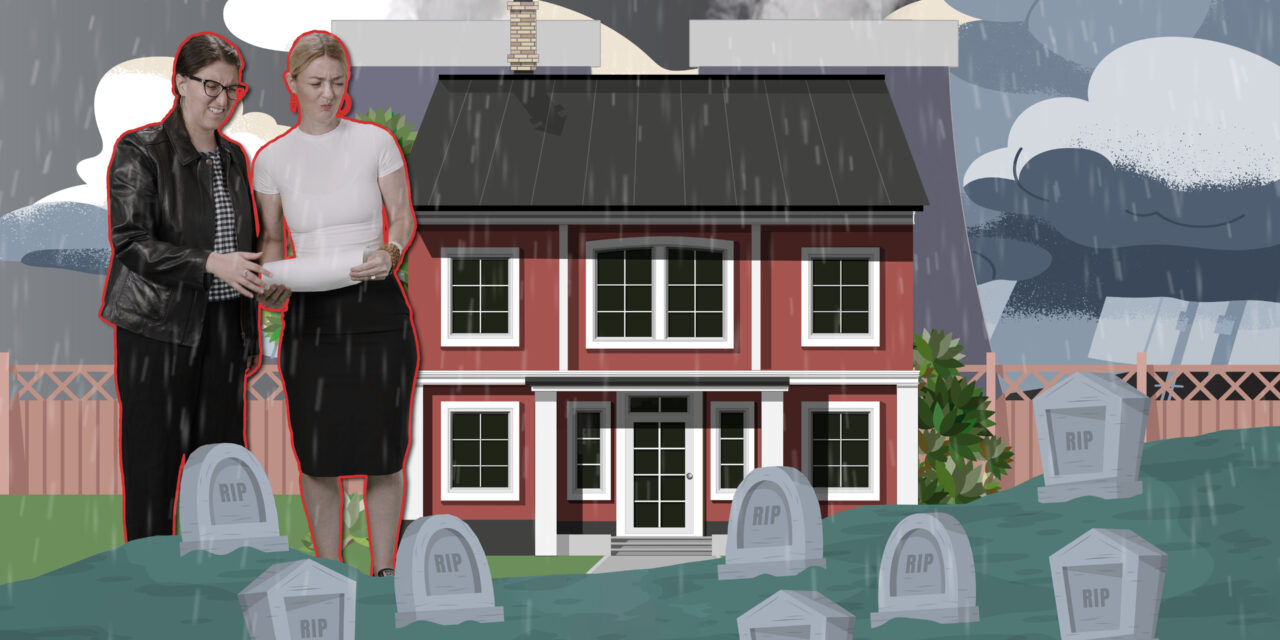
Watch and learn: See how a buyer’s enforceable expectations about property conditions are set at the time a purchase agreement is entered into, and how a buyer agent gravitates towards properties offered with investigative third-party reports and seller disclosures in a complete marketing package.
In this new video series, we break down how to increase transparency and mitigate risk, ensuring a smoother transaction for both buyers and sellers.
Being timely is being early — commit to transparency
A buyer’s enforceable expectations about property conditions are set at the time a purchase agreement is entered into, due to:
- prior observations of the property by the buyer or their agent; and
- disclosures previously delivered to the buyer or their agent by the seller and the seller agent.
Property conditions belatedly revealed to the buyer after the buyer and seller agree to a price in a purchase agreement may differ from the buyer’s reasonable expectations about the property’s conditions and uses. Disclosures or discoveries of adverse property conditions after the buyer and seller enter into a purchase agreement were not known to the buyer when setting the price agreed to for the property. [Jue v. Smiser (1994) 23 CA4th 312]
Thus, the seller makes a choice, on the advice of their agent, about when to incur the expense of third-party reports:
- now, on employing the agent to sell the property so any purchase agreement entered into is the result of the prior delivery to the buyer of a complete set of property disclosures; or
- later, after entering into a purchase agreement when the buyer’s expectations about the property conditions may differ from later disclosures or discoveries. [Jue, supra]
When disclosures are delivered after a seller enters into a purchase agreement to sell the property, the buyer may demand that the seller eliminate the defects at the seller’s expense or adjust the price prior to closing. Alternatives to the buyer’s demand prior to closing include the buyer’s right to:
- cancel the purchase agreement; or
- close escrow and demand a refund of the overpayment in price or the cost of repairs.
A competitive sales advantage with upfront disclosures
For sellers, a seller agent ready with a complete marketing package for delivery to a buyer on a request for more information creates a competitive sales advantage over properties not marketed with property condition reports. [See RPI Form 107]
Further, buyer agents are attracted to properties offered with investigative third-party reports and seller disclosures delivered in a marketing package, sometimes called a backup package. With a marketing package, property disclosures provided to prospective buyers containing third-party reports reduce the:
- seller’s exposure to liability under their duty to fully disclose their knowledge of the property’s condition to a buyer [Calif. Civil Code §1102.4]; and
- seller agent’s exposure to liability under their duty to personally inspect, observe and report their findings to buyers about a property’s condition. [CC §2079]
Importantly, when property condition reports are delivered prior to the seller entering into a purchase agreement, the close of escrow is not contingent on the buyer’s further-approval of property conditions, further negotiations or cancellation.
The primary risk-mitigating advantage for the seller who invests in third-party reports for the agent’s marketing efforts is transparency at the inception of negotiations with a buyer. The price agreed to in the purchase agreement is based on property conditions “as disclosed” by the reports, not altered by in-escrow disclosures.
The seller and seller agent avoid considering provisions for an undisclosed (and prohibited) “as is” sale. “As is” sales situations inevitably lead to price renegotiations, repairs, cancellation of the purchase agreement or litigation. The cause nearly always is the failure to disclose material defects known to the seller when the seller accepts the buyer’s purchase agreement offer. “As is” does not mean “as disclosed.” [CC §§1102.1; 2079]
Related video: